
Meet the First Beaver Kit Born on the West Glen River in Over 400 Years
We’ve got some truly exciting news to share. For the first time in more than 400 years, a beaver kit has been born on the West Glen River at Boothby Wildland.
First spotted on our wildlife cameras back in July, the newest member of our growing beaver family spent its first few months safely tucked away inside the lodge with mum. Now, as confidence grows, the young kit is beginning to venture out and explore its new wetland home, giving us a wonderful glimpse into the future of this remarkable restoration project.
This tiny arrival is far more than a heart warming wildlife story. It is a powerful sign that the beavers have settled successfully into their new environment and are thriving.
A New Chapter for the West Glen River
Back in February, a family of four Eurasian beavers was released onto the West Glen River in Boothby Wildland. The family, consisting of mum, dad and two older kits, was carefully sourced from Scotland by the Beaver Trust and introduced to the site as part of an ambitious long-term Nature recovery project.
Seven months later, the birth of a new kit confirms what we had hoped: the beavers have quickly made themselves at home.
For a species that was once driven to extinction in Britain, seeing beavers not only survive but breed successfully is a significant milestone. It marks the beginning of a new generation on the West Glen River and offers hope for the future of this iconic species in the landscape.
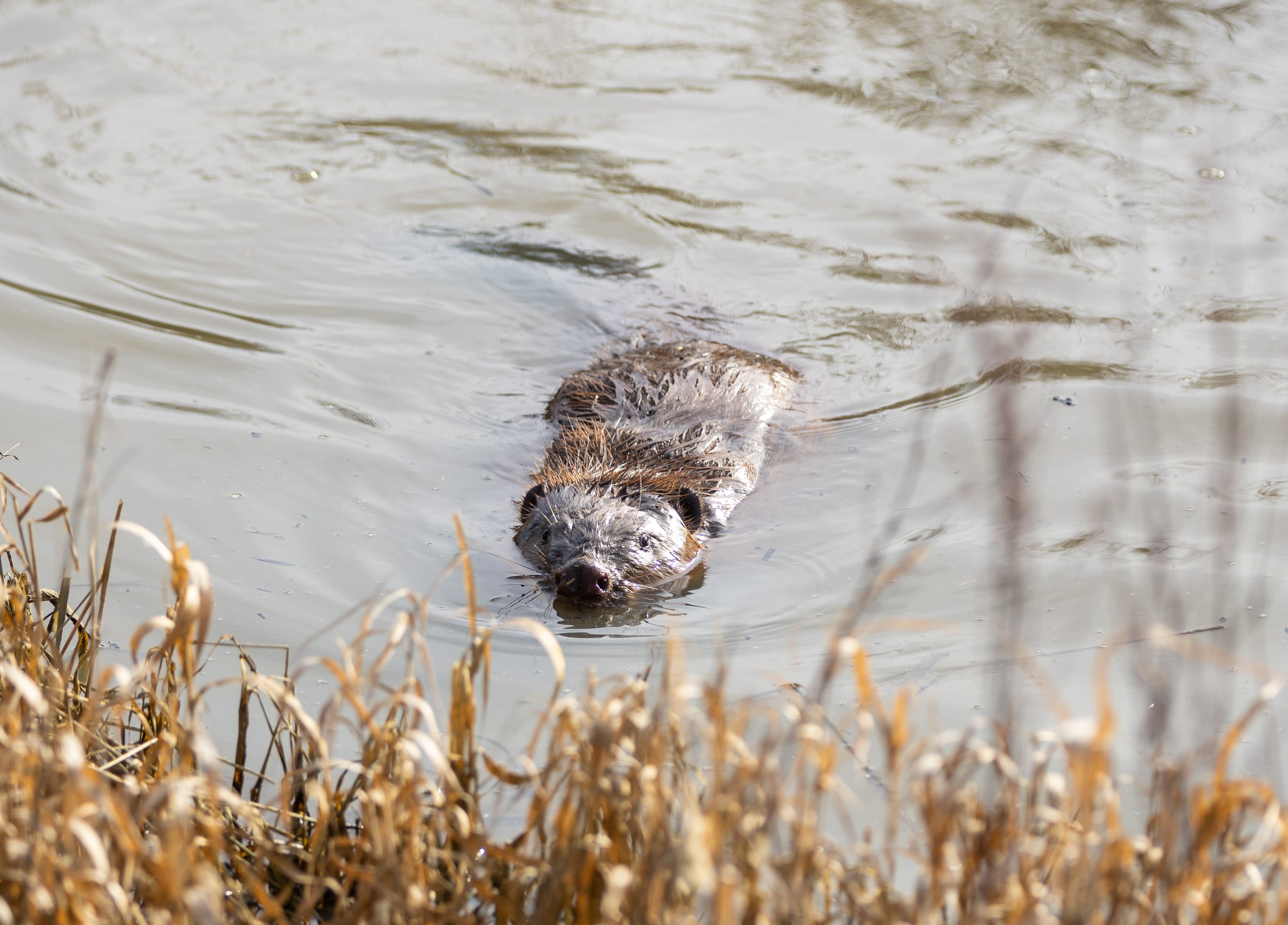
Photography: Jonathan Perugia for Nattergal
England's Largest Beaver Enclosure
The beavers live within a vast 200-hectare enclosure, making it the largest beaver enclosure in England. Around 20,000 feet of perimeter fencing has been installed to create a safe space where the animals can settle, breed and begin their natural engineering work.
The enclosure forms a key part of a 30-year restoration project being led by Nattergal. The vision is to allow Nature to take a leading role in restoring the river and surrounding landscape.
By reintroducing beavers, the project aims to:
Restore the river's natural course
Create and expand wetlands
Improve water quality
Increase biodiversity
Help reduce downstream flooding
Build greater resilience to climate change
Introduce the first beaver created watercourse units for Biodiversity Net Gain
Nature's Ecosystem Engineers
Beavers are often described as "ecosystem engineers" because of their extraordinary ability to reshape landscapes. Through dam building, canal creation and tree management, they create complex wetland habitats that benefit countless other species.
As the beaver family continues its work along the West Glen River, these natural processes will help slow water flow, trap sediment, improve habitats for wildlife and create the diverse wetland environment that many species depend upon.
The arrival of the new kit is an encouraging indication that the habitat is providing everything the family needs to flourish.
Looking Ahead
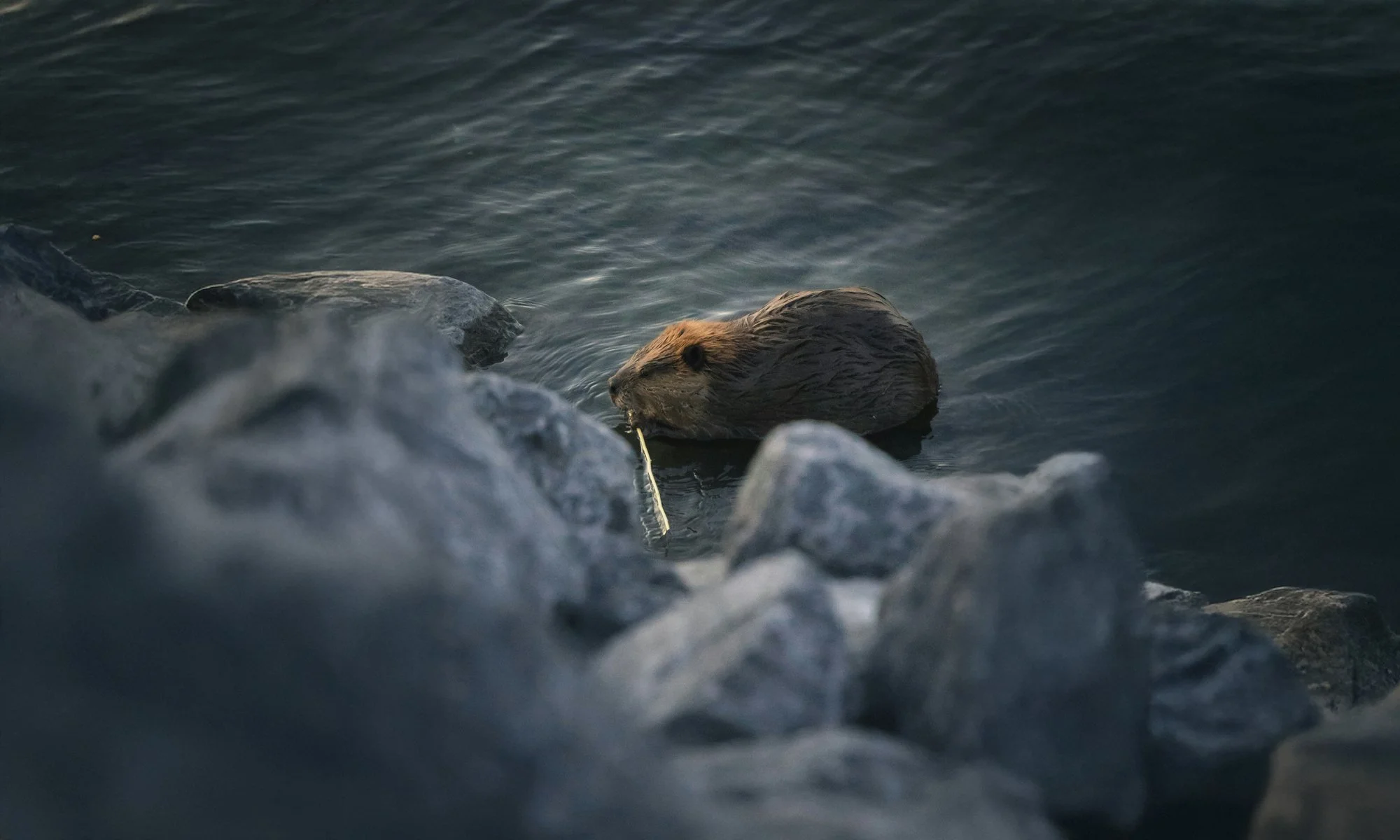
While the young beaver is still learning about the world around it, its presence represents something much bigger. It is a symbol of a river being restored, Nature returning and a landscape beginning to heal.
After more than four centuries without wild-born beavers on the West Glen River, this small kit marks the start of an exciting new chapter.
We'll be keeping a close eye on the family as the kit grows and explores its wetland world. For now, we're celebrating a milestone that highlights the success of the project so far and the incredible potential of Nature-led restoration.
Welcome to the West Glen River, little one.